Every so often I make a headshot that breaks most of the unwritten rules. Cinematic, dramatic light instead of the even, everything-lit kind. No smile, just a calm look that comes back over the shoulder and straight down the lens. When a portrait like that lands in a feed full of careful smiles, it stops the scroll.
That's not an accident. It's a choice, and it's one worth understanding before your next session, because most headshots look the same.
Where the sameness comes from
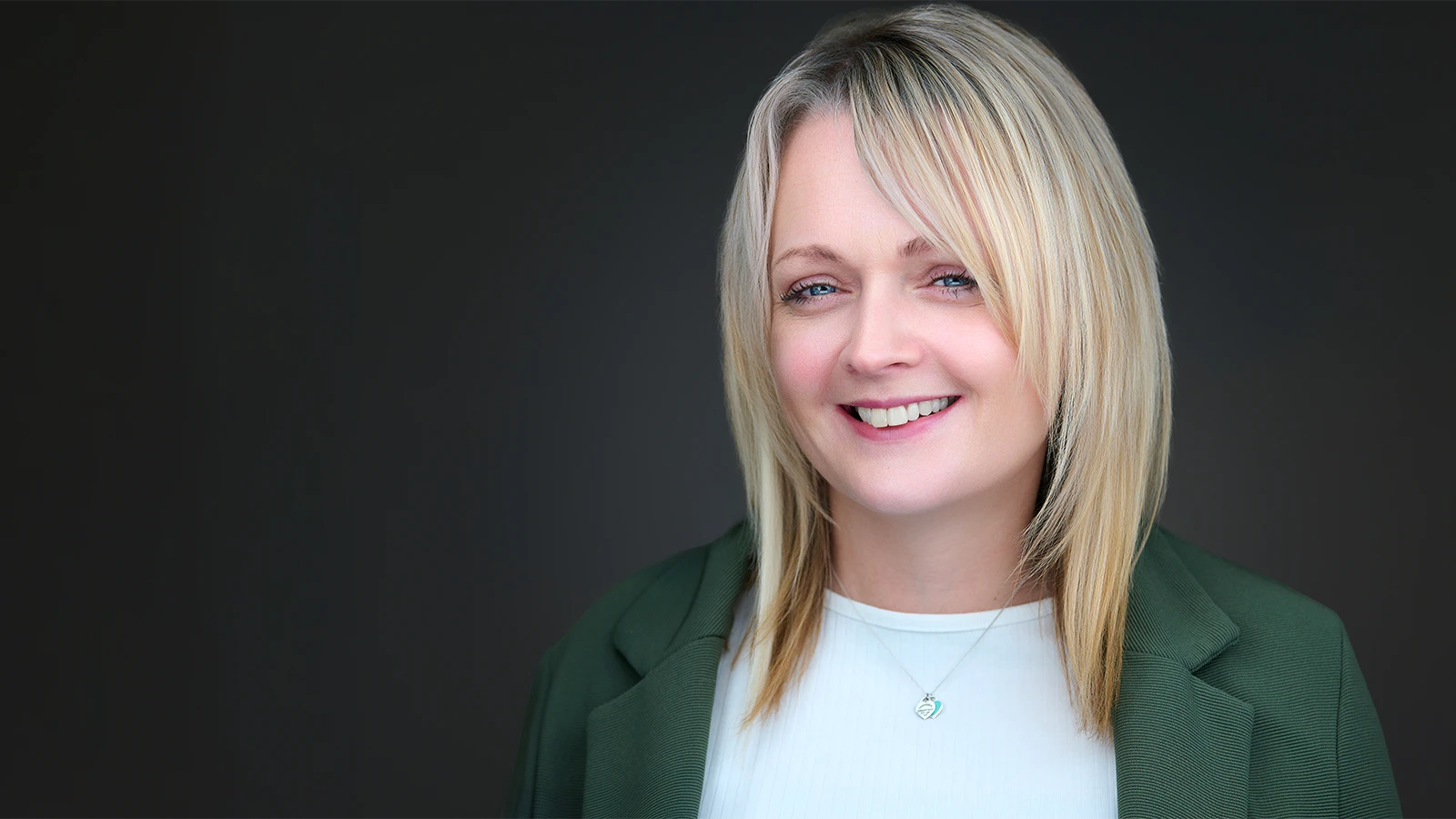
Scroll through the profiles of people who work in your field. Most of the photos follow the same recipe: even light, a friendly smile, squared up to the camera. Some are made well and many are made badly, but they all share the format.
The format exists for good reasons. It's clean. It works at thumbnail size. It sits comfortably in a team grid next to nineteen colleagues. When I photograph in that format, the coached expression and the crafted light set the result apart from the competition, and it earns its place.
But when almost everyone reaches for the same recipe, the recipe stops saying anything.
What a statement headshot actually is
A statement headshot is the same discipline as a classic one, pointed in a different direction. The light and the pose are chosen deliberately to say something about you.
The portrait at the top of this post is a good example. The light is placed so it falls away across the face, closer to a film still than a passport photo. And instead of squaring up to the camera, he's turned away and looking back over his shoulder. Painters were using that kind of light 400 years before cameras existed, because it gives a face presence, drama, character. Something different, and different is what stops the scroll.
You don't have to smile
This is the part that surprises people most.
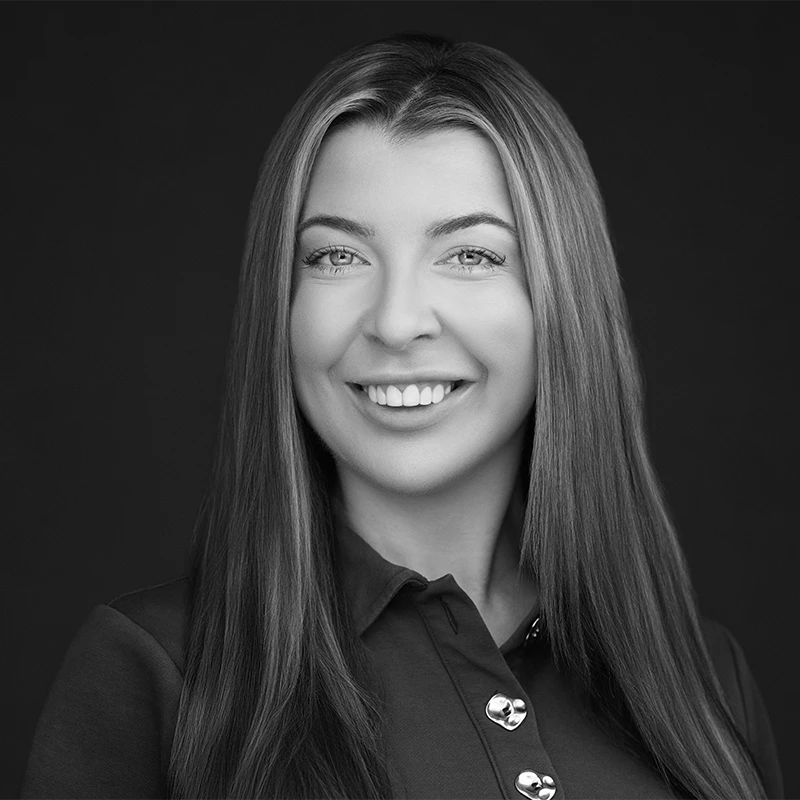
For many professionals, a calm, direct expression is more suitable than a big smile. Done well, it demonstrates confidence rather than coldness. If your work is serious, your photo is allowed to be serious too. A barrister, funeral director, military advisor to name a few.
I coach expression through every session either way (here's how that works), but for some faces and some professions, the coaching leads somewhere quieter, and the quieter frame is the keeper.
Who it suits, and who it doesn't
A statement headshot works hardest when your name is the business. Founders, consultants, authors, speakers, and anyone whose personal profile does the selling. If people hire you specifically, a portrait with presence earns its keep on your personal branding imagery, your speaker page, and the top of your LinkedIn profile.
It's usually the wrong choice for a company directory. If 40 headshots need to match your brand guidelines, the set matters more than any single frame, and consistency wins (here's how I match team headshots to a brand spec).
And the two aren't rivals. Plenty of my clients leave a session with both: the clean, on-brand headshot for the website directory and the darker, more deliberate portrait for everywhere they show up as themselves.
How we decide on the day
You don't have to gamble on this in advance. The conversation before your shoot covers who sees your photo and what it needs to do, and that usually settles which way to lean.
Reworking the light takes minutes, not a second booking, so we can shoot the classic look and the cinematic one in the same session. You see both on screen as we go and approve your favourites before I pack up. If the dramatic frame doesn't feel like you, it never leaves the room.
If your current headshot could belong to anyone in your industry, that's the sign it's worth a rethink. The photo that represents you should do more than prove you own a collar.