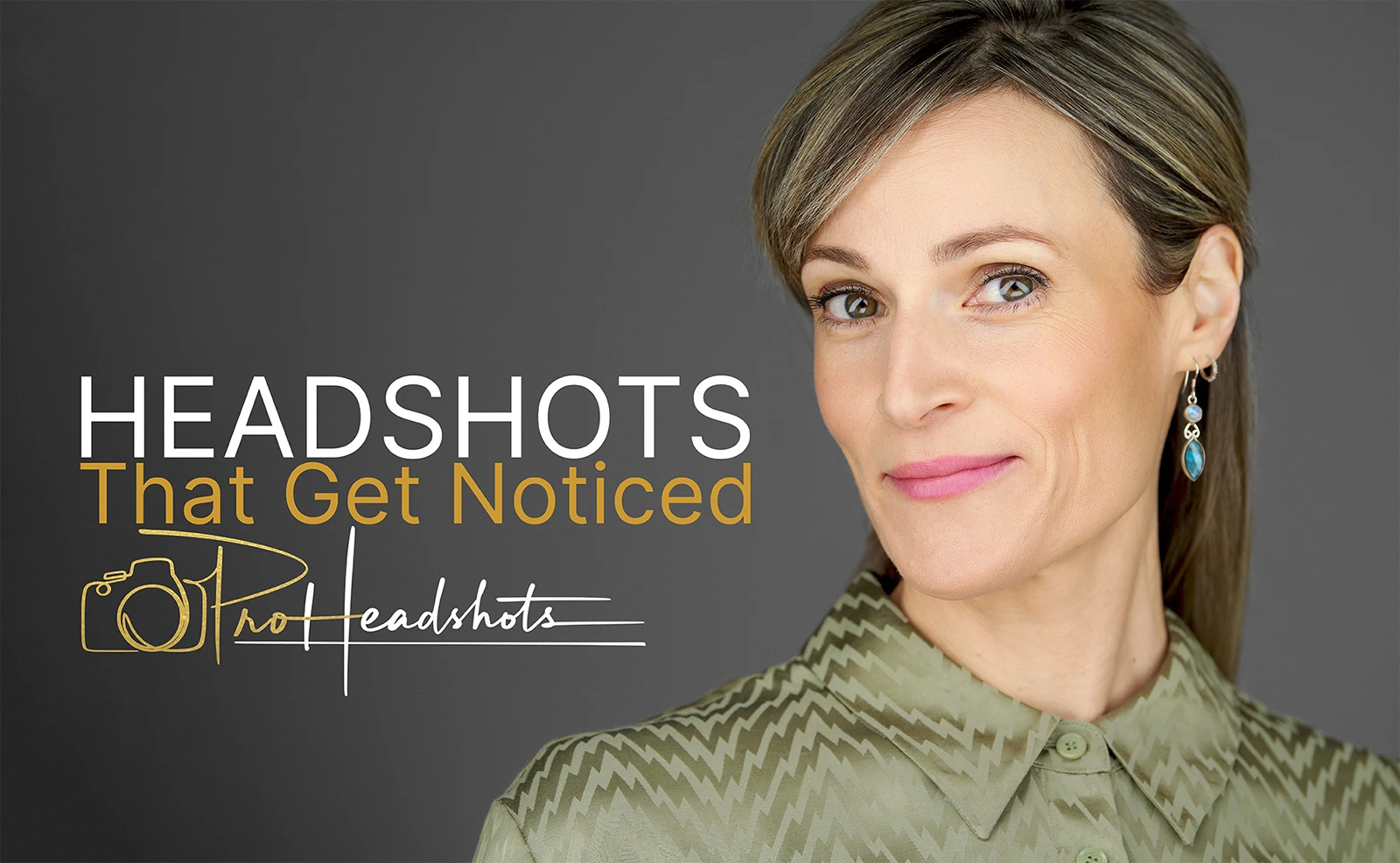
What to Wear for Professional Headshots: A Corporate & Team Guide
When you’re organising corporate headshots, clothing is usually the one
variable that creates stress. Everyone turns up trying to look “smart”, but the final set can
feel a bit mixed on a website.
This is a simple guide to what to wear for professional headshots, aimed at execs and HR leads
who want a team to look professional, approachable, and easy to trust.
- Agree a general look and feel, then let people choose within it.
- Fit matters more than fashion.
- Solid colours and tidy necklines keep attention on faces.
- A blazer or suit jacket over a plain top gives quick variety.
In this guide
- Who this is for
- Quick-start summary
- Decide the look: match role and industry
- Keep team headshots consistent (without a dress code)
- Colours, patterns, and fit
- A simple prep list
- Common mistakes
- FAQs
Who this is for
- HR, People, Comms, and Marketing leads planning corporate headshots
- Executives updating leadership photos
Quick-start summary
If you want the short version:
- Pick a baseline: classic business, smart-casual, or creative-smart.
- Ask for two tops (mostly solid colours) and one layer (blazer or suit jacket, cardigan, or
knit). - Keep patterns, logos, and shiny fabrics to a minimum.
- Encourage people to wear what they can sit and move in comfortably.
Decide the look: match role and industry
The aim is to look like the professional version of yourself that people expect to meet.
That doesn’t mean everyone needs to look the same. It just means the overall impression should
feel right for your organisation.
- Traditional sectors (legal, finance,
property, healthcare): cleaner, more classic usually suits. - More relaxed sectors (tech, agencies,
creative teams): smart-casual can work well, as long as it’s tidy.
Assumption: these photos will be used on LinkedIn and/or your company website.
Keep team headshots consistent (without a dress code)
Consistency is what makes team headshots look polished. You don’t need strict rules to get it,
just a shared direction.
The “house style” (light-touch)
Pick one starting point, then let people choose within it:
Classic business
Blazers or suit jackets, structured tops, crisp shirts, simple dresses.
Solid colours. Minimal accessories.
Smart-casual
Knitwear, blazers with open-neck shirts, simple tops.
Solid colours or subtle texture. Still neat and well-fitted.
Creative-smart
More personality in colour or texture, but keep it tidy.
Avoid anything overly busy or shiny. Keep necklines and fit clean.
A simple message to the team:
- Bring one safe option (navy, charcoal, cream, or muted tones).
- Bring one option that feels more “you” (a colour you like).
- Avoid big logos and loud patterns if you can.
If you want a fuller view of how the day runs, see what
to expect from office headshots.
Colours, patterns, and fit
Colours that often work well
-
Navy
-
Charcoal
-
Forest green
-
Burgundy
-
Cream or softer whites
-
Solid mid-tones usually keep attention
on the face. -
Very bright white can draw the eye
(sometimes great, sometimes dominating). -
Very bright reds and neon shades can
reflect colour onto skin under strong lighting.
Patterns and shine
- Subtle texture is fine (knitwear, wool, quality cotton).
- Bold prints, large checks, and shiny fabrics can distract.
Assumption (logical implication): patterns can look busier when headshots are
used small on websites and staff directories.
Fit and comfort
Fit matters more than labels. If someone is tugging at clothes, that tension tends to show.
- Shoulders sit naturally.
- Collars lie flat.
- Nothing pulls or gapes.
- It feels comfortable to stand and breathe normally.
A simple prep list
- Two tops (mostly solid colours).
- One layer (blazer or suit jacket, cardigan, or knit).
- Iron or steam the night before.
- Empty pockets (phones create odd shapes).
- Keep accessories simple.
Common mistakes
- No shared direction – each photo looks
fine, but the set doesn’t feel consistent together. - Loud patterns and big logos – clothing
becomes the first thing you notice. - Shiny fabrics – distracting
reflections. - Uncomfortable outfits – stiffness and
constant adjusting.
Assumption (logical implication): the smaller the headshots appear on your site,
the more obvious distractions become.
FAQs
How many outfit options should someone bring?
For a team day, two tops and one layer is usually plenty.
Should everyone wear the same thing?
No. Aim for a shared level of formality and a simple colour approach, not identical outfits.
Are white shirts a good idea?
Often, yes. Softer whites (cream/off-white) can be more forgiving than very bright white,
depending on the person and background.
Can people wear patterns?
Yes, but keep them subtle. Bold patterns and large checks are the ones that tend to pull
attention.
Do people need to buy new clothes?
Not usually. Most people already own something suitable. If buying anything, prioritise fit and
simplicity.
Planning a team headshot day?
If you’d like help organising corporate headshots that look consistent and
professional across your website and LinkedIn, I can help.
Check AvailabilityMore
articles
Although I’m based in the South West, I regularly
photograph professionals in London and other UK cities.