Before You Go On: A Speaker's Guide to Working With Your Photographer
Speaking is how you build your reputation. The images from those moments should be as strong as the talk itself. Here's what to think about before, during, and after.
You've prepared the talk. You know your material. You've thought about the opening line, the pacing, the moment you want the room to lean in.
And then someone takes a photo of you from row eight, half-obscured by a delegate's head, and that's what ends up on your LinkedIn for the next three years.
It doesn't have to work that way. If speaking is part of how you build your profile, the images from those events deserve the same attention you give the content. Here's what makes the difference.
Treat your images as a deliverable
This is the mindset shift everything else flows from. Event photos are not a by-product. They're a marketing asset you're producing at the same time as your talk.
That means thinking about them before the event, not afterwards. Who's photographing you? If the organiser has an event photographer, ask early whether you can get copies of the images, and check whether you have permission to use them on your own website and social channels. Rights vary. Get it in writing if you can.
If you're bringing your own photographer, brief them beforehand. What do you want to use the images for? Your website, a media kit, LinkedIn, future speaker pitches? The answer shapes how they shoot.
The small things that make a big difference
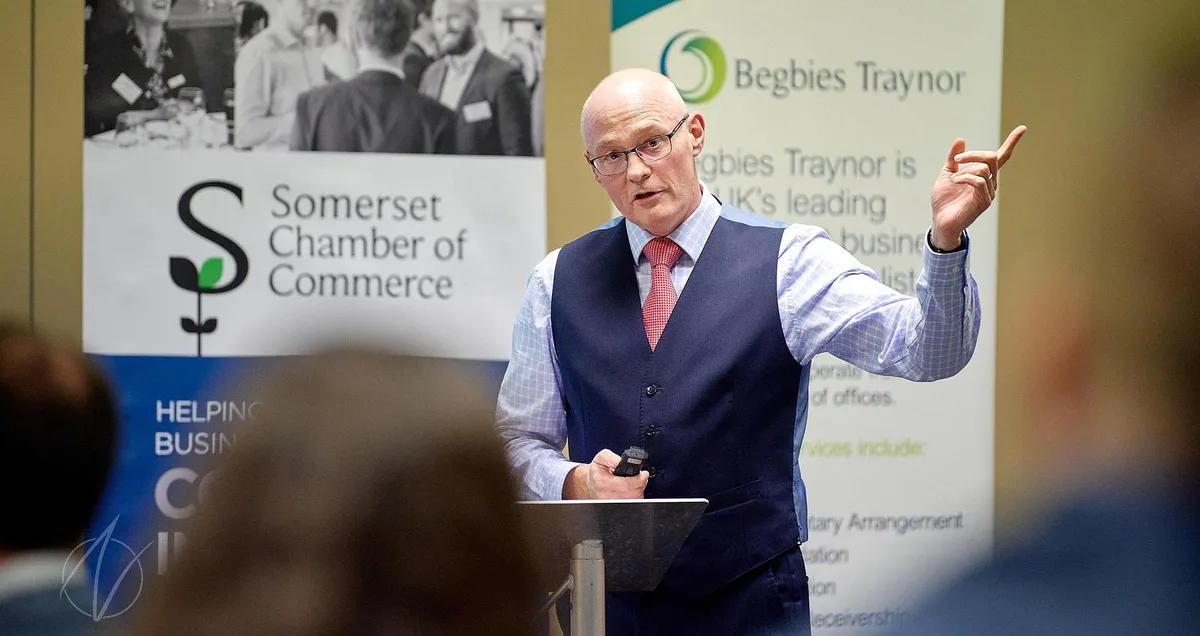
Take off your lanyard. This one surprises people, but it matters. A badge with an event name pins you to a single day in a single location. A close-up of you speaking at a financial conference in Bristol is a useful, enduring image. A close-up of you with "FinTech Forum 2026, Bristol" hanging from your neck is useful for one post, once. You want to make every image you have work hard for you in different situations. Remove your lanyard and badge before you go on.
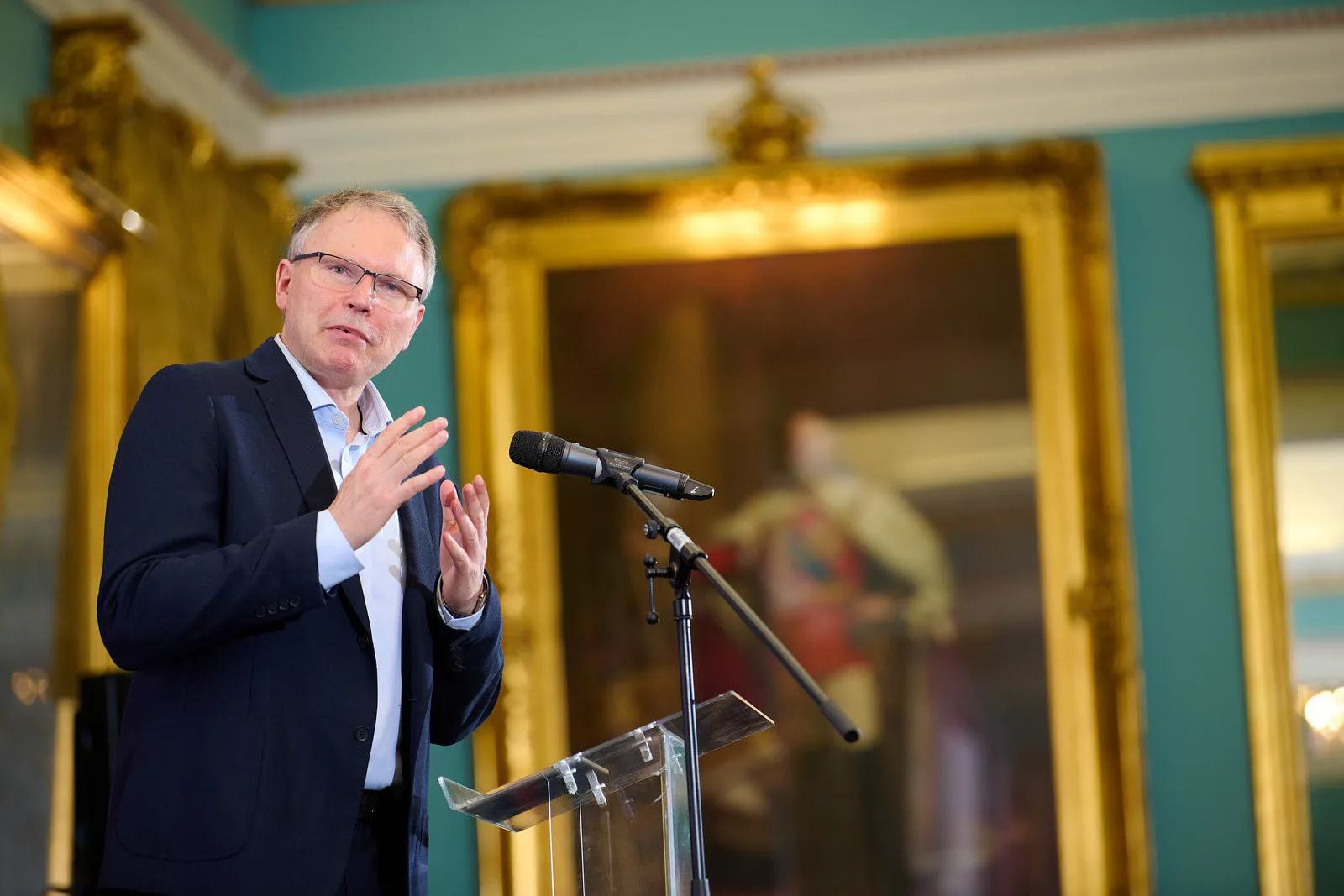
Lose the notes if you can. You look more confident without them. Looking down at a lectern closes your face off from the camera and the room. If you need prompts, put them in large text on a monitor at floor level, something you can glance at without dropping your head.
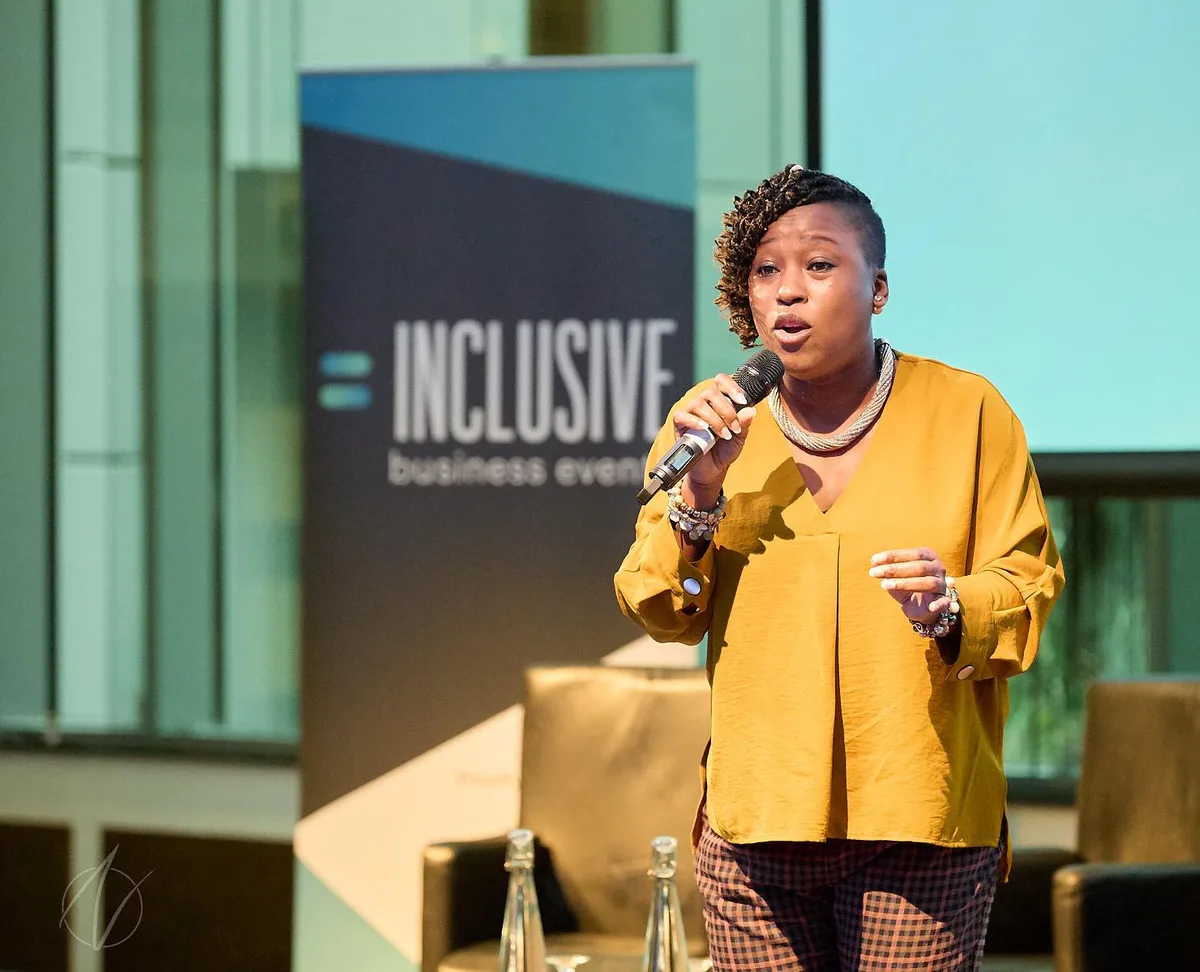
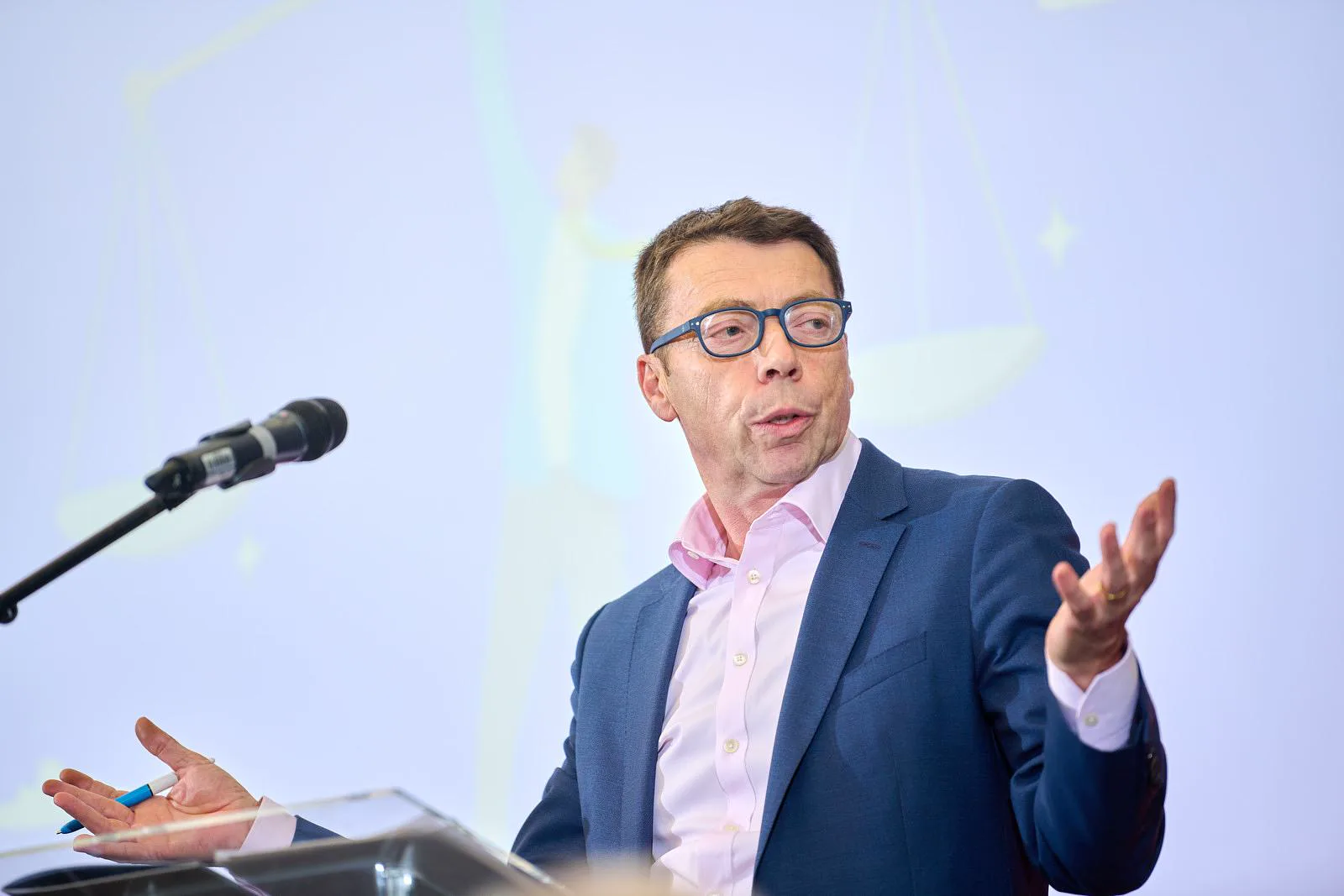
Move the microphone away from your face. A hand-held mic directly in front of your mouth hides expressions that make a speaker photograph well. Where possible, use a lapel mic or a headset. If you're stuck with a hand-held, hold it lower than feels natural. Your audience still hears you. The camera sees your face.
Talk to your photographer before you go on
Five minutes before the session starts is worth more than an hour of editing afterwards. Tell them what you need. Close-ups that work without event branding in the background. Images that capture you in full flow: mid-gesture, mid-thought, not posed. Frames that show your expression, not the slide behind you.
Ask them to avoid the obvious "speaker at lectern, arms at sides" shot. That image exists on a thousand conference websites and communicates nothing. What you want is the moment before the punchline, the open hand when you're making a point, the pause when the room is catching up with you. A good photographer knows to look for these. Tell them to.
Brief the whole day, not just the session
The on-stage shots are the obvious brief. But some of the most useful images from a speaking engagement happen before you've said a word.
Arriving at the venue. Reviewing your notes in a quiet corner. Checking the slides with the AV team. These moments are usually rushed past. They're worth capturing, and the images they produce often outlast the stage shots.

A photo of you in conversation with the tech team, or going over your notes backstage, doesn't have an event name in the frame. No lectern, no branded backdrop. That means it works next week, next year, on your website, in a speaker pitch, or as a post on its own. Stage shots can be harder to repurpose once the specific event feels dated.
Brief your photographer to arrive when you do, not when the session starts. Give them fifteen minutes before you go on and tell them you want preparation shots: arriving, reviewing notes, having a conversation backstage. That fifteen minutes can double the number of genuinely useful images you come away with.
Think about the room
A half-empty room is hard to photograph well. If attendance is less than expected, reduce the number of seats at the back. Fill the front rows first. It's better to be turning people away at the back than to have a wide shot that shows thirty chairs with eight people in them.
If the room is smaller than ideal, that's not a problem. It's a brief. An experienced photographer can use focal length and framing to make a small room look like the camera couldn't fit the audience in. Talk about it in advance so they know to think about angles rather than wide shots.
Stage lighting varies enormously, and you won't always have control over it. Bright overhead spots are hard to shoot under. Coloured theatrical lighting is atmospheric in the room but strange in a photo. If you have any say over the lighting, warm and even beats dramatic and directional for photography.
Your face tells the story
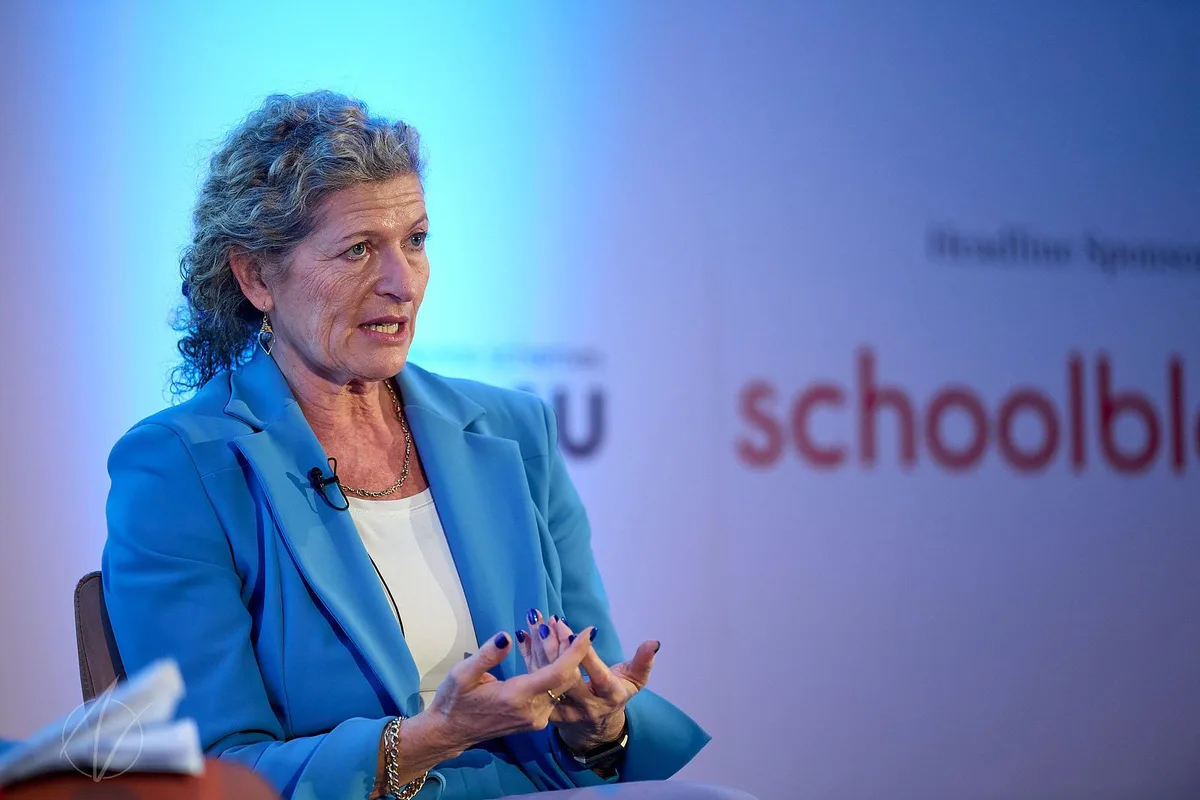
A camera captures a fraction of a second. Which fraction it captures can make or break an image.
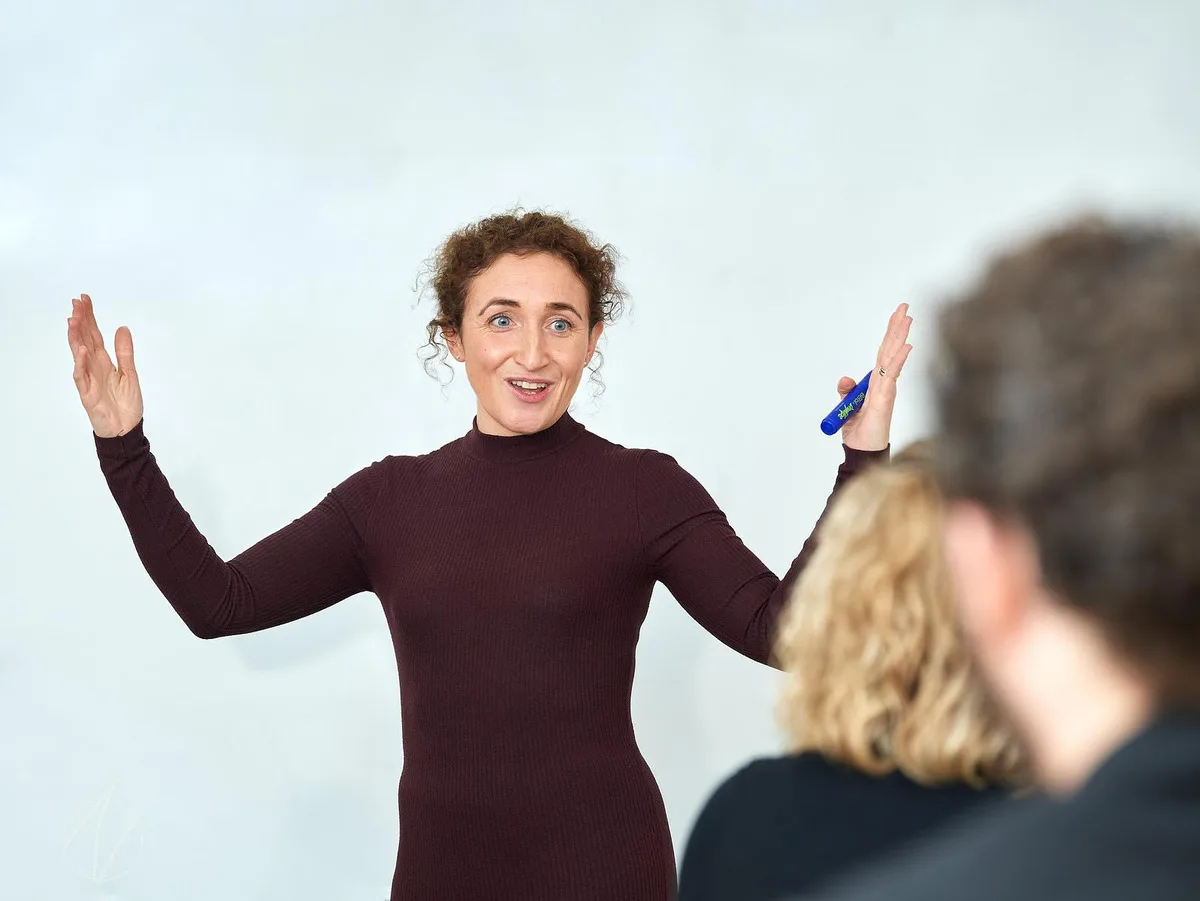
To lift your natural resting expression from tense or flat, pretend you're on a TV drama and exaggerate your expressions (just a little). Not to over-perform, but to let what you're feeling come through. Curiosity, conviction, humour. If you're genuinely engaged with what you're saying, that registers. If you're going through the motions, that registers too.
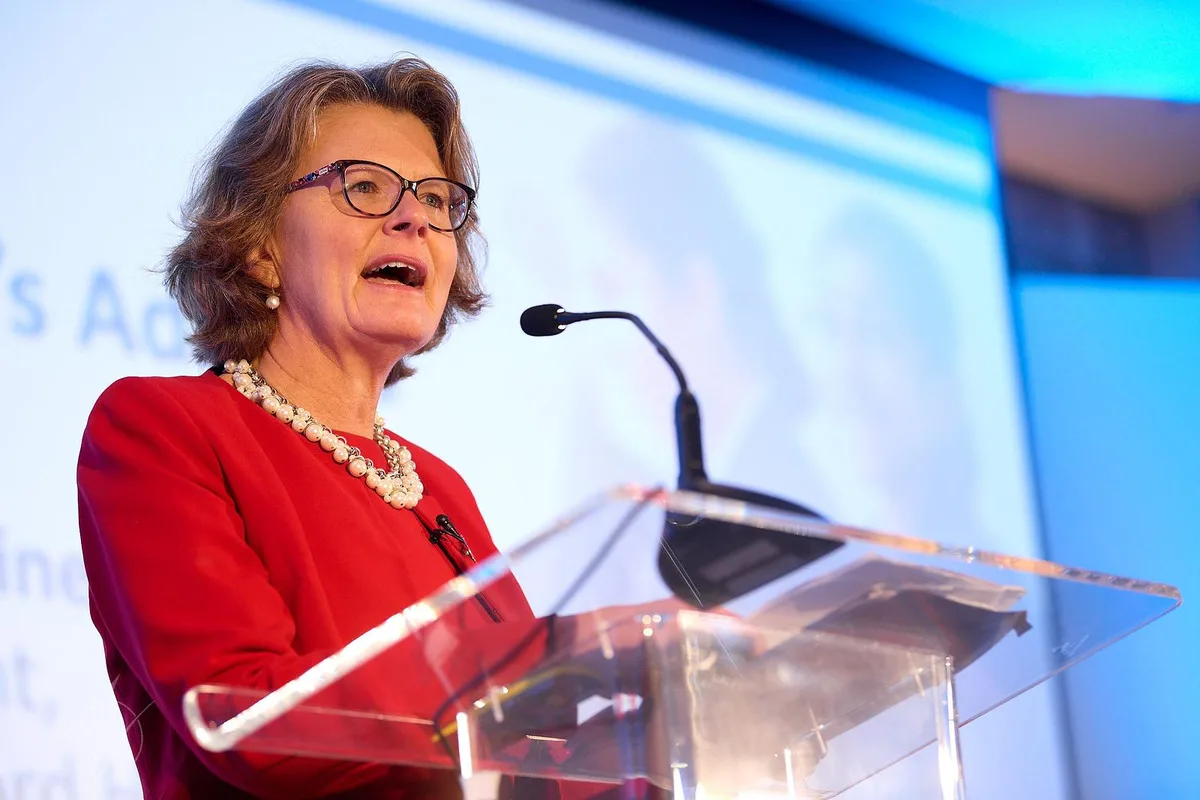
Bold gestures photograph well. Look up from your notes. A raised hand, an open palm, a step away from the lectern. These break the static quality that makes a lot of speaker photography look like a talking head. Move around if it's natural to you. If you tend to stay still, try not to grip the lectern.
Make eye contact with different parts of the room. The best moments often happen when you're speaking directly to someone, and the camera catches it from an angle that makes it look like you're talking to the viewer.
Be yourself
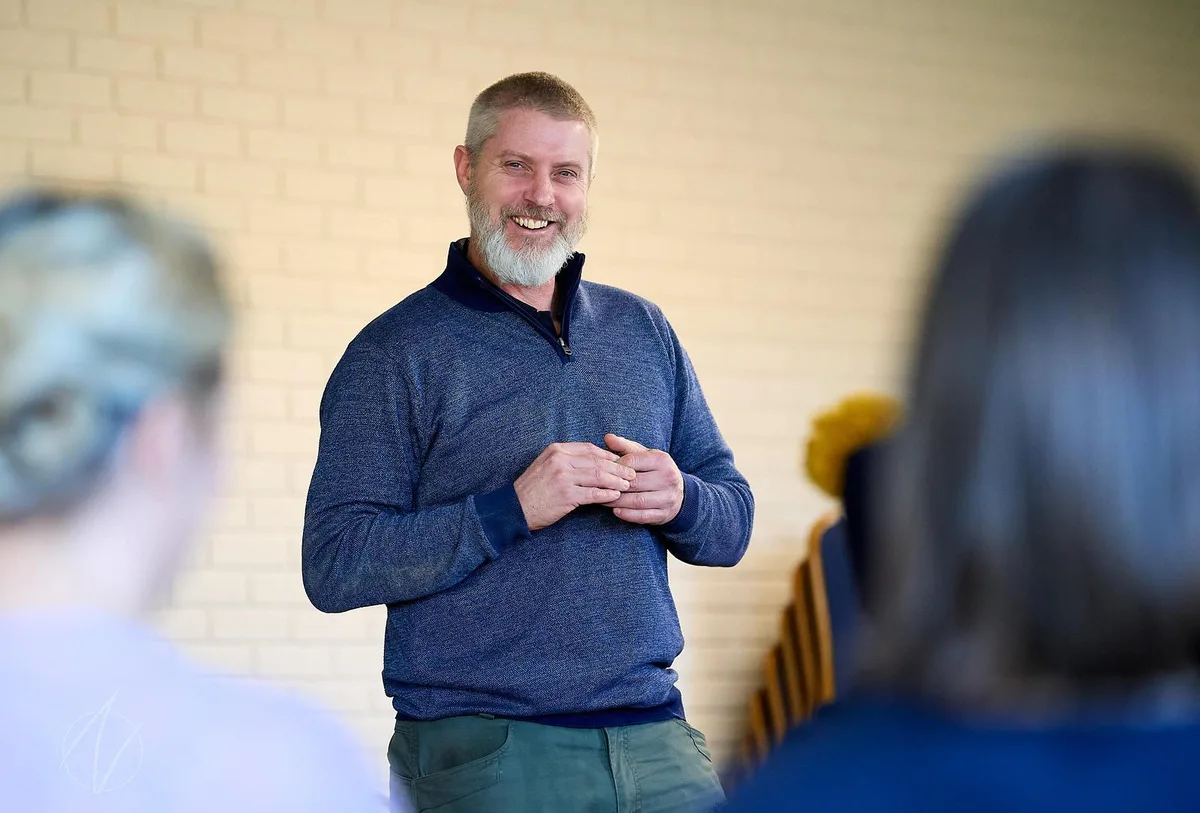
All of this is in service of the same thing: images that look like you at your best, not you performing for a camera.
The speakers who photograph well are almost always the ones who've forgotten the photographer is there. The ones who are too aware of it look stiff or oddly composed. The goal is to give the photographer the right conditions, then let them work while you get on with the talk.
If you want to know what those images can do for you once you have them, the personal branding photography page has more on that. And if you're wondering why audience photos from the back row don't cut it, this post on speaker photography explains it. For ideas on where to use the images once you have them, there are 66 ways to put your branding photos to work.
If you speak regularly and don't yet have a set of images that shows what you're like on stage, I'd be glad to change that.